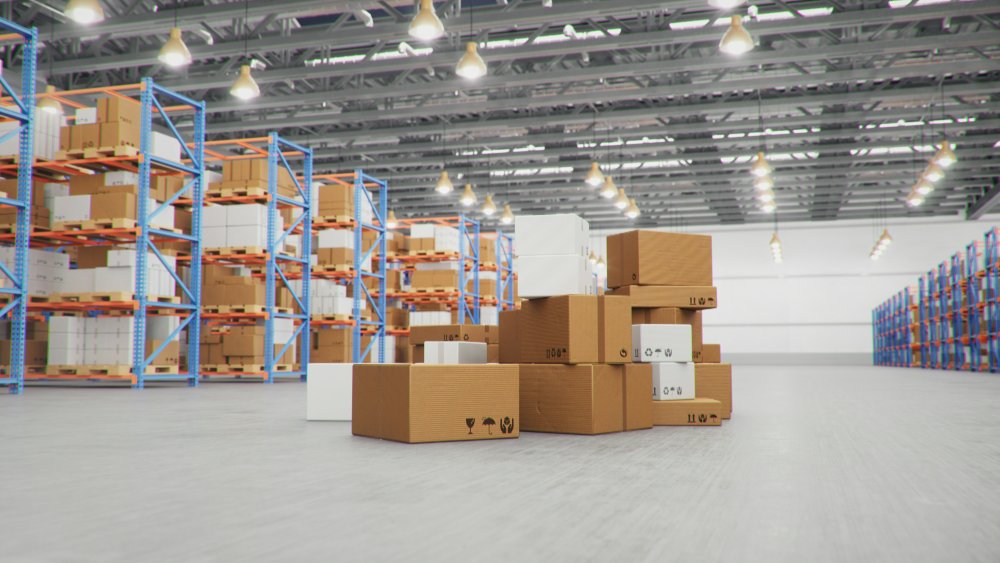
Warehouse picking plays an important role in order fulfillment. Employees must locate products, collect the correct quantities, and prepare items for shipping. However, inefficient picking methods can increase travel time, create delays, and raise operating costs. Businesses can address these challenges by examining information they already collect through customer orders.
Order history data provides valuable insights into purchasing patterns, product demand, and warehouse activity. By studying previous transactions, managers can identify frequently ordered items, improve product placement, and develop more efficient picking routes. This approach supports faster order fulfillment, better inventory organization, and more consistent warehouse performance.
Understanding the Value of Order History Data
Order history data includes records of previous customer purchases. These records usually contain product details, quantities, order dates, and combinations of items purchased together. Warehouse managers can review this information to understand how products move through their facilities. Rather than relying only on assumptions, they can make decisions based on actual ordering patterns and customer demand.
For example, a warehouse may discover that certain products appear in hundreds of orders each week. Other items may sell only occasionally. This difference matters because employees spend more time collecting frequently ordered products. By understanding these patterns, managers can organize storage locations around actual picking needs. Accurate historical information also helps teams recognize changes in demand and prepare for future workloads.
Identifying Frequently Picked Products
One major benefit of analyzing order history is identifying products that require frequent picking. These items often account for a large share of daily warehouse activity. When popular products are stored far from packing stations, employees may spend unnecessary time walking between storage locations. Moving these products closer to convenient picking areas can improve efficiency.
However, product popularity should not be measured only by the total number of units sold. A product included in many separate orders may require more picking trips than an item purchased in large quantities by a few customers. Managers should examine order frequency alongside sales volume. This distinction helps them understand actual picking activity and select storage locations that reduce unnecessary movement.
Improving Product Placement Through Order Patterns
Product placement directly affects how quickly warehouse employees complete their assignments. Order history data helps managers determine which items deserve accessible storage locations. Frequently picked products can be positioned near main picking routes, while slower-moving inventory may remain in less convenient areas. This arrangement reduces travel distances and supports smoother daily operations.
Managers must also consider product size, weight, and handling requirements. Heavy items may need lower storage positions, while fragile products require careful placement. Therefore, historical demand should guide decisions without replacing basic safety and storage principles. Combining order information with practical warehouse requirements creates a more balanced layout. Regular reviews help ensure product locations remain suitable as customer purchasing habits change.
Grouping Products Commonly Ordered Together
Order history can reveal which products customers frequently purchase together. These relationships offer useful opportunities to improve warehouse organization. For example, a business selling office supplies may notice that customers regularly order printer paper and ink cartridges in the same transaction. Placing these products near each other could reduce the distance employees travel while collecting orders.
However, grouping products requires careful analysis. Some combinations appear frequently simply because individual items are popular. Managers should examine whether placing products together produces meaningful travel savings across many orders. Storage limitations and replenishment needs also influence the decision. When supported by accurate information, thoughtful product grouping can simplify picking routes and improve overall warehouse efficiency.
Designing More Efficient Warehouse Picking Routes
Warehouse employees often follow established routes to collect products from different storage areas. Poorly planned routes may require repeated walking through the same aisles or unnecessary movement between distant locations. Historical order information helps managers identify common picking patterns and evaluate whether existing routes support efficient movement.
For example, managers can examine which storage areas appear most frequently in customer orders. They can then develop routes that reduce backtracking and organize picking tasks more logically. Digital warehouse systems may support this process by recommending efficient travel paths. However, route planning must also consider aisle width, equipment movement, and employee safety. The most effective strategy balances shorter travel distances with practical working conditions.
Using Historical Data to Improve Batch Picking
Batch picking allows employees to collect products for several customer orders during one warehouse trip. This method can reduce repeated travel when orders contain similar items. Order history helps managers identify patterns that make batch picking practical. For example, a warehouse processing many small orders with overlapping products may benefit from collecting those items together.
Successful batch picking also requires accurate sorting procedures. Employees must separate collected products into the correct customer orders before packing. Without reliable systems, larger picking batches can increase mistakes. Managers should review order size, product similarity, and available equipment before changing their processes. Historical information can help determine when batch picking offers genuine efficiency improvements.
Preparing for Seasonal Changes in Customer Demand
Customer purchasing patterns often change throughout the year. Retail businesses may experience higher demand during holidays, while other industries follow different seasonal cycles. Order history data helps warehouse managers recognize these changes and prepare storage locations before busy periods begin. This preparation can reduce unnecessary movement when order volumes increase.
For example, a warehouse may identify products that become popular during certain months. Managers can temporarily move these items into more accessible picking locations and adjust staffing plans. However, historical patterns do not guarantee future demand. Promotions, market changes, and unexpected events can influence purchasing behavior. Combining past order information with current sales forecasts helps businesses make more reliable decisions.
Building a Data-Driven Warehouse Improvement Process
Using order history data effectively requires ongoing attention. Customer demand changes, new products enter inventory, and warehouse operations evolve. Managers should establish regular reviews of ordering patterns and storage performance. These reviews help identify when product locations, picking routes, or staffing arrangements need adjustment.
A successful improvement process also depends on accurate records and clear communication. Warehouse teams should understand why changes occur and how new procedures affect their responsibilities. Testing adjustments on a small scale can reduce disruption before broader implementation. Over time, consistent analysis helps businesses develop more flexible and efficient picking operations.
Order history data provides a practical foundation for improving warehouse picking strategies. By identifying popular products, understanding purchasing combinations, and reviewing picking performance, businesses can reduce unnecessary movement and improve order accuracy. When managers combine reliable data with employee experience and regular evaluation, warehouses can achieve more efficient operations while maintaining dependable customer service.