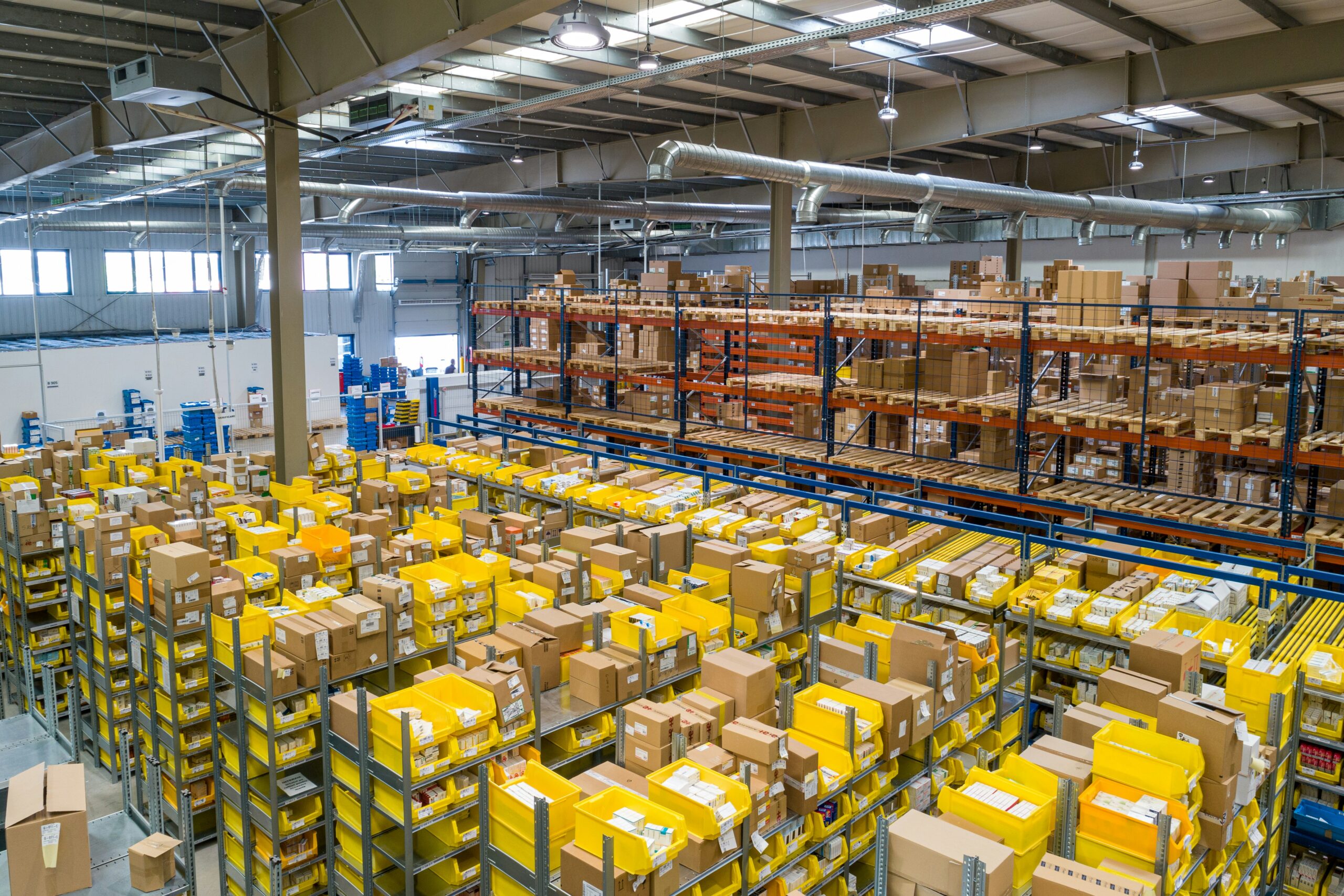
Modern businesses face growing pressure to deliver products faster while keeping operating costs under control. Customers expect accurate orders, quick shipping, and reliable service, making efficient warehousing and logistics more important than ever. Smart warehousing combines technology, data, automation, and better planning to improve daily operations. When these strategies work together, companies can reduce waste, control expenses, improve productivity, and create a smoother supply chain.
The Role of Smart Warehousing in Modern Operations
Smart warehousing uses connected technology to make warehouse activities more accurate and efficient. Instead of relying heavily on manual processes, businesses can use warehouse management systems, barcode scanners, sensors, and automated equipment to manage inventory and orders.
A warehouse management system provides real-time information about inventory levels, product locations, incoming shipments, and outgoing orders. This visibility helps employees make faster decisions and reduces the risk of misplaced products. With better inventory control, businesses can avoid carrying too much stock while still having enough products available to meet customer demand.
Smart technology also helps warehouses use their space more effectively. Data can show which products move quickly and which remain in storage longer. Businesses can then organize products by demand and movement frequency, reducing unnecessary travel time for warehouse workers.
Automation Improves Speed and Accuracy
Warehouse automation is another important way to improve efficiency. Automated storage systems, conveyors, robotic equipment, and scanning technology can handle repetitive tasks more consistently. These tools can move products, sort orders, and support picking and packing.
Automation does not always mean replacing employees. Instead, it can reduce the amount of time workers spend on repetitive or physically demanding tasks. Employees can focus on activities that require judgment, customer service, quality control, and problem-solving.
Faster processing also helps businesses reduce order delays. When orders move through the warehouse more quickly, customers receive their products sooner. Greater accuracy can also reduce returns caused by incorrect shipments, helping companies save money while protecting customer satisfaction.
Better Inventory Management Cuts Unnecessary Costs
Inventory is one of the largest expenses for many businesses. Holding too much inventory can increase storage costs, insurance expenses, and the risk of products becoming outdated or damaged. Holding too little inventory can result in stockouts, delayed orders, and lost sales.
Smart inventory management uses real-time data and demand information to maintain healthier stock levels. Businesses can monitor purchasing patterns and adjust inventory based on actual customer demand. Predictive analytics can also help companies anticipate demand changes and prepare inventory before shortages occur.
Accurate inventory records are equally important. Even a small difference between physical stock and digital records can create costly problems. Automated scanning and real-time updates help keep inventory information accurate, allowing businesses to make better purchasing and fulfillment decisions.
Data-Driven Logistics Creates More Efficient Delivery
Warehousing and transportation are closely connected. A well-organized warehouse cannot achieve maximum efficiency if transportation processes remain slow or expensive. Smart logistics strategies use data to improve delivery planning, shipment scheduling, carrier selection, and route management.
Route optimization software can help determine efficient delivery routes while considering distance, traffic, delivery windows, and vehicle capacity. Better routing can reduce fuel consumption and unnecessary mileage. It can also help drivers complete more deliveries within the same working period.
Businesses can also use transportation data to compare carrier performance and shipping costs. By analyzing delivery times, service quality, and transportation expenses, companies can make informed decisions about their logistics partners.
Real-Time Visibility Strengthens Supply Chain Control
Visibility is essential for efficient logistics. Businesses need to know where products are, when shipments are moving, and whether deliveries are progressing as expected. Real-time tracking tools provide valuable information throughout the supply chain.
With access to current data, managers can respond quickly to delays or unexpected changes. For example, if a shipment is delayed, the business can adjust warehouse schedules or communicate with customers before the problem worsens.
Better visibility also improves communication between suppliers, warehouses, transportation providers, and customers. This shared understanding can reduce confusion and support faster decision-making.
Smart Strategies Reduce Waste and Improve Productivity
Efficiency is not only about speed. It also involves reducing wasted time, space, labor, energy, and materials. Smart warehousing helps businesses identify inefficient processes and improve them using measurable data.
Energy-efficient equipment, better warehouse layouts, optimized workflows, and digital documentation can reduce operating expenses. When employees spend less time searching for products or correcting mistakes, overall productivity increases.
Continuous improvement matters because customer expectations and market conditions can change quickly. Businesses should regularly review performance data and identify areas where processes can become faster, simpler, or more cost-effective.
Building a More Competitive Supply Chain
Smart warehousing and logistics strategies give businesses a stronger foundation for long-term growth. Technology improves visibility, automation increases productivity, accurate inventory management reduces waste, and data-driven transportation planning controls delivery costs.
The biggest advantage comes from combining these strategies rather than treating them as separate solutions. When warehouse operations, inventory systems, transportation planning, and real-time data work together, businesses can build a more responsive, efficient supply chain.
As logistics becomes more technology-driven, companies that invest in smarter operations can improve service while controlling expenses. A well-designed smart warehousing strategy is not simply a way to reduce costs today. It is a practical approach to building faster, more accurate, and more resilient operations for the future.