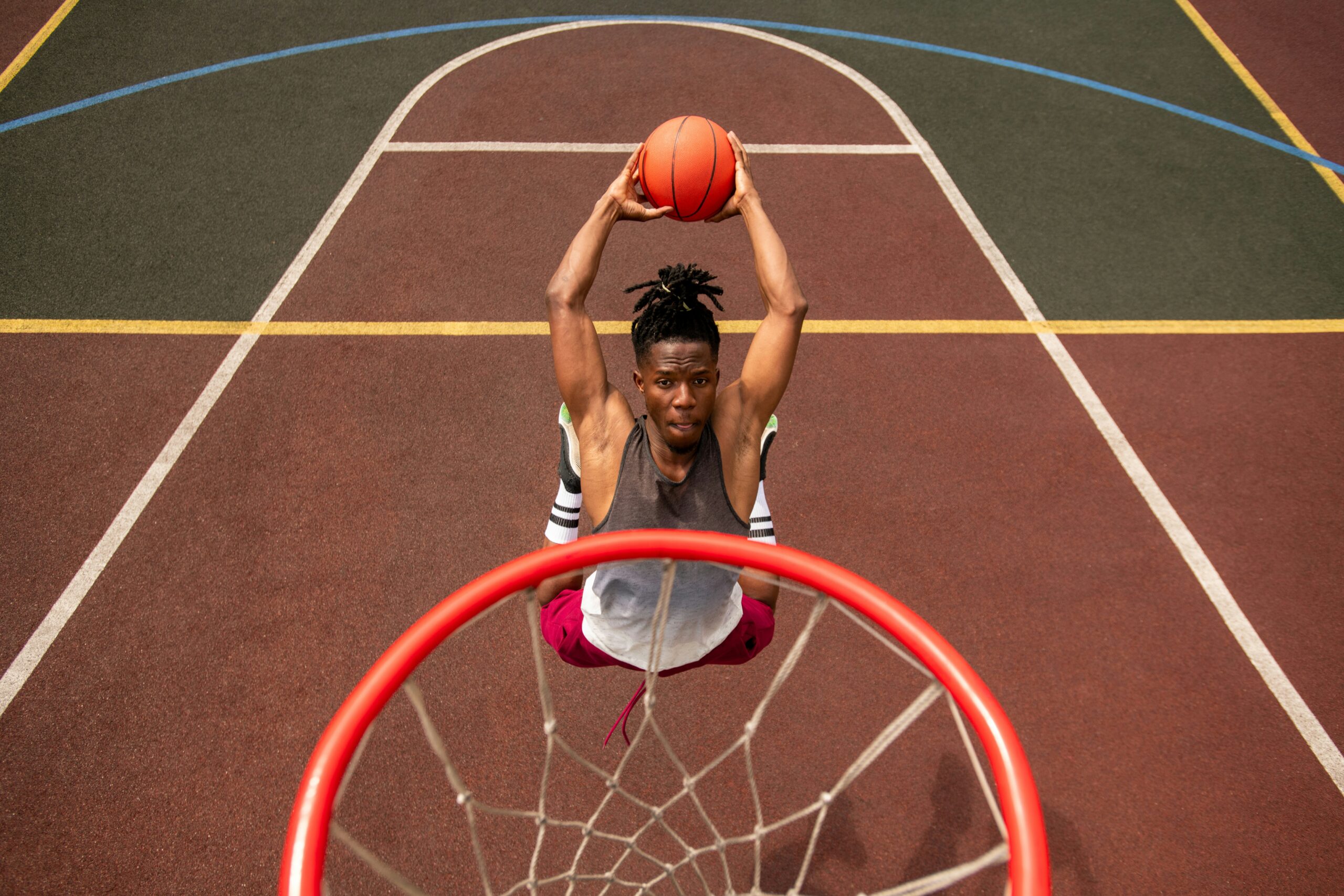
Basketball, as a lifelong fitness sport, offers a powerful way to stay active, build strength, and maintain a competitive mindset over time. Many people search for activities that feel enjoyable while also supporting long-term health. Basketball meets those needs because it naturally combines movement, skill, and social interaction. As a result, players stay motivated and engaged for years.
Unlike many workout routines that feel repetitive, basketball keeps every session fresh. Each game brings new challenges, quick decisions, and different opponents. As a result, players remain interested and committed. At the same time, the sport supports both physical and mental development, making it a comprehensive approach to fitness.
Why Basketball as a Lifetime Fitness Sport Stands Out
Basketball, as a lifelong fitness sport, stands out because it adapts easily to people of different ages and abilities. Young players often enjoy fast-paced games, while older players can focus on skill drills or half-court play. This flexibility allows individuals to stay active without feeling limited by age or fitness level.
In addition, basketball requires minimal equipment. A ball and a hoop create endless opportunities for exercise. Therefore, people can play in parks, gyms, or even driveways. This accessibility helps players stay consistent, which is essential for long-term fitness success.
Building Full Body Strength Through Basketball
Basketball engages the entire body during play. Players run, jump, pivot, and shoot, all of which activate multiple muscle groups at once. As a result, the sport builds strength in the legs, core, and upper body in a balanced way.
Moreover, these movements improve functional strength. Players develop muscles that support real-life activities such as lifting, walking, and maintaining balance. Over time, this strength helps prevent injuries and supports overall physical health.
Improving Cardiovascular Health and Endurance
Basketball, as a lifelong fitness sport, also improves heart health. The game involves continuous motion that raises the heart rate and increases blood flow. As a result, players develop greater cardiovascular endurance and stamina.
In addition, the sport includes bursts of high-intensity activity followed by short recovery periods. This pattern challenges the heart and lungs in different ways. Consequently, players build endurance that supports both athletic performance and daily life activities.
Enhancing Agility, Coordination, and Balance
Basketball demands quick movements and precise control. Players change direction rapidly, react to opponents, and handle the ball simultaneously. Therefore, the sport naturally and effectively improves agility and coordination.
At the same time, balance plays a key role in performance. Jumping, landing, and pivoting require strong body control. Over time, these actions help players build stability, reducing the risk of falls and injuries.
Developing Mental Strength and Focus
Basketball challenges the mind as much as the body. Players must think quickly, read the game, and make decisions under pressure. As a result, the sport improves focus and mental clarity.
Furthermore, basketball builds resilience. Players face missed shots, tough opponents, and intense moments during games. However, they learn to stay calm and keep trying. This mindset strengthens mental toughness and supports success in other areas of life.
Encouraging Consistency and Healthy Habits
Consistency plays a key role in long-term fitness, and basketball encourages regular participation. Because the game feels enjoyable, players look forward to playing again. Therefore, they stay active without forcing themselves into strict routines.
In addition, basketball promotes healthy habits. Players often focus on hydration, nutrition, and recovery. These habits support overall wellness and help maintain energy levels for continued activity.
Supporting Social Connection and Motivation
Basketball, as a lifelong fitness sport, fosters strong social connections. Players interact with teammates, friends, and community members during games. As a result, the sport builds a sense of belonging and support.
Moreover, social interaction increases motivation. People feel more committed when they play with others. Friendly competition and teamwork create an environment that encourages effort and improvement.
Maintaining a Competitive Spirit Over Time
Competition drives improvement, and basketball keeps that spirit alive. Players challenge themselves and others during games, which pushes them to grow. Because of this, they continue to develop skills and fitness over time.
At the same time, basketball teaches valuable lessons about winning and losing. Players learn to handle success with confidence and setbacks with determination. These experiences build character and strengthen personal growth.
Adapting Basketball for Every Stage of Life
One of the greatest strengths of basketball as a lifetime fitness sport lies in its adaptability. Players can adjust the intensity, pace, and style of play based on their needs. Therefore, the sport remains accessible throughout life.
For example, older players may focus on shooting drills or slower-paced games. Meanwhile, younger players may enjoy full-court competition. This flexibility ensures that everyone can benefit from the sport without unnecessary strain.
Boosting Confidence and Personal Growth
Basketball helps build confidence through visible progress. Players improve their skills, fitness, and understanding of the game over time. As a result, they feel a sense of achievement and pride.
In addition, the sport encourages personal growth. Players develop discipline, teamwork, and communication skills. These qualities support success both on and off the court.
Creating a Lifelong Passion for Fitness
Basketball, as a lifelong fitness sport, fosters a lasting connection to physical activity. The excitement of the game keeps players engaged, while the benefits keep them motivated. Therefore, many individuals continue playing for years.
Furthermore, this passion for fitness extends beyond basketball. Players often stay active in other ways because they enjoy movement. This lifestyle supports long-term health and well-being.
Reducing Health Risks Through Active Living
Regular basketball activity helps reduce the risk of many health conditions. The sport supports weight management, improves metabolism, and strengthens the heart. As a result, players experience better overall health.
In addition, staying active through basketball reduces the effects of a sedentary lifestyle. Players maintain higher energy levels, better sleep patterns, and improved mood. These benefits contribute to a higher quality of life.