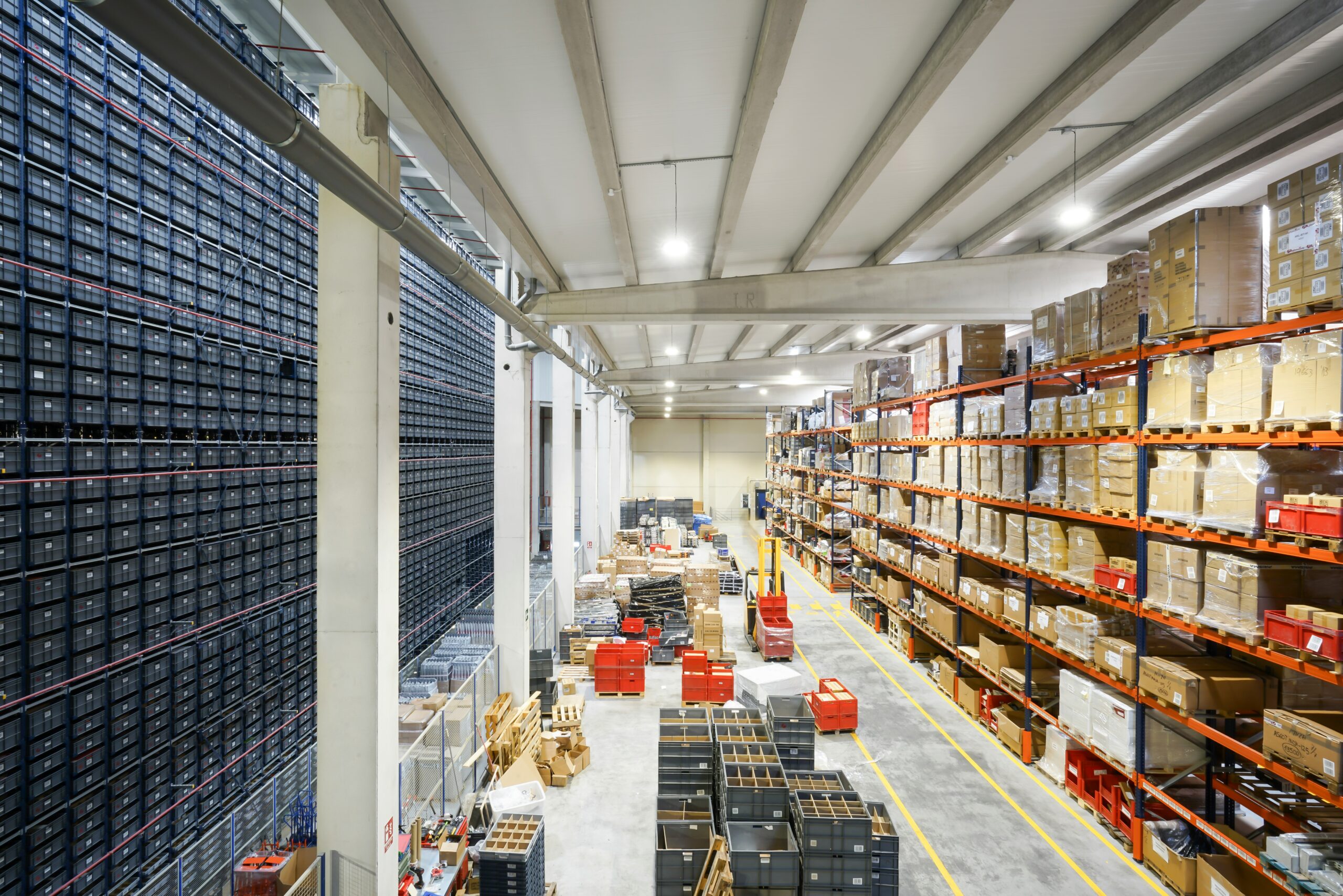
Innovative warehousing reshapes logistics through advanced methods that enable teams to move goods quickly and accurately. As supply chains expand, operations leaders face rising expectations for speed and reliability. Because of that pressure, many teams seek tools and workflows that support smoother movement of products from one point to another. Innovative warehousing delivers that support through clear insight, steady control, and streamlined decisions. This approach gives teams the power to monitor activity, adjust workflows, and solve challenges before they disrupt the flow of goods. Although traditional methods still serve a purpose, modern demands require flexible systems that adapt in real time.
Why Smart Warehousing Matters Today
In many regions, customer expectations continue to shift. People look for faster delivery times and accurate tracking. Meanwhile, operations teams must balance safety, cost, and quality. Innovative warehousing helps them do that by offering insight into every step of the journey. It enables continuous monitoring, leading to better decision-making and improved communication. Moreover, the approach improves overall logistics efficiency by clearing bottlenecks and enabling better resource use. When teams embrace this model, they often see faster movement across docks, fewer errors, and smoother collaboration. This improves morale and reduces stress across the entire chain.
Building Agile Workflows Through Technology
Innovative warehousing relies on tools that share information clearly and instantly. These tools include tracking platforms, guided picking systems, and connected devices that keep teams informed. With these assets, leaders respond to changes quickly. As a result, the warehouse becomes more agile and consistent. Also, technology reduces confusion because teams view the same information simultaneously. Clear roles and updated data help everyone stay aligned. Furthermore, agile systems reduce delays that once held operations back. Instead of waiting for manual updates, teams act immediately, increasing efficiency for both inbound and outbound activities.
Improving Accuracy With Connected Data
Accurate information drives logistics success. When teams track each item with care, mistakes drop, and customer trust rises. Innovative warehousing improves accuracy by leveraging continuously updated data sourcesdated. For example, scanners, sensors, and digital dashboards show where goods sit, how they move, and when they reach each stage. Because the data stays current, workers know exactly what to do next. In addition, connected systems reduce misplacements and lost items. Although no system removes every challenge, innovative warehousing keeps error levels low enough to support strong performance. Over time, that reliability builds a resilient logistics network.
Enhancing Speed Through Better Layouts
Warehouse layout influences movement more than many teams realize. Innovative warehousing analyzes workers’ travel patterns and adjusts storage plans to shorten routes. Instead of random placement, items follow logical patterns that save time. As workflows improve, teams pick, pack, and ship products faster. Also, layouts designed for smooth flow reduce worker strain, making the environment safer and more comfortable. In addition, clear pathways lower the chance of congestion. With steady movement throughout the building, logistics efficiency rises, and operations feel more predictable each day.
Leveraging Automation for Stronger Output
Automation offers another vital piece of innovative warehousing. While teams still guide the process, automated tools handle repetitive tasks, freeing workers for more complex work. For instance, automated sorting or guided picking reduces workload and increases consistency. Also, automation runs continuously without fatigue, helping maintain strong performance during busy periods. Although full automation may not suit every warehouse, thoughtful adoption can significantly boost output. Leaders can choose tools that match their goals and scale efforts gradually. Through steady integration, teams build a balanced system that blends human insight with machine precision.
Strengthening Collaboration Across the Supply Chain
Innovative warehousing improves communication, which strengthens the entire supply chain. When partners share real-time information, delays shrink, and trust grows. Moreover, transparency allows teams to plan and solve issues early. Since logistics requires coordination among many groups, strong communication removes obstacles that once slowed progress. As innovative warehousing tools spread across suppliers, carriers, and distribution teams, the entire network becomes more efficient. This cooperation reduces waste while supporting faster decisions that help everyone involved.
Supporting Sustainable Logistics Goals
Sustainability plays an essential role in modern logistics. Innovative warehousing supports these goals by reducing errors, lowering energy use, and improving space management. When teams plan smarter routes and maintain leaner inventories, they use fewer resources. Also, clear insight helps leaders adjust packaging, reduce handling, and choose efficient transport options. Although sustainability once felt like an added task, innovative warehousing folds it naturally into daily work: better accuracy and smoother flow cut waste while improving customer satisfaction.
Delivering Better Customer Experiences
Customer expectations influence logistics strategies more than ever. People want accurate updates, quick arrivals, and dependable service. Innovative warehousing helps teams meet those expectations by enabling faster order processing and fewer mistakes. When customers receive the correct items on time, trust grows. Moreover, transparency across the journey helps customers stay informed and calm. As innovative warehousing evolves, teams gain even more tools that support strong service. This steady progress gives companies a competitive advantage in crowded markets.
Future Trends That Shape Smart Warehousing
Innovative warehousing continues to evolve as new ideas emerge. Leaders explore systems that predict demand, tools that offer deeper insight, and methods that further reduce manual tasks. Although change may feel challenging, these trends open new paths to efficiency. In addition, future tools will likely increase communication across all levels of the supply chain. Because of this progress, teams prepare earlier and handle disruptions with confidence. As new solutions appear, innovative warehousing remains the anchor that guides steady improvement in logistics.
How Teams Can Begin Their Smart Warehousing Journey
Teams interested in innovative warehousing can begin with simple changes. Precise mapping of current workflows helps leaders understand where improvement is needed. After that, they can choose tools that align with their goals. Also, training programs help workers adjust quickly and feel confident with new systems. Even small steps lead to meaningful gains when applied consistently. The journey involves patience and continuous learning, yet the rewards often exceed expectations. Innovative warehousing supports stronger control, smoother flow, and better long-term outcomes for logistics operations.
A Strong Foundation for Lasting Logistics Efficiency
Innovative warehousing gives logistics teams the foundation they need to grow and adapt. With connected data, clear communication, agile workflows, and supportive automation, operations become more reliable. Moreover, leaders gain the insight required to plan with confidence and respond to change. As global demand rises, this foundation proves essential to success. Innovative warehousing delivers strength, clarity, and steady improvement, helping organizations offer the speed and quality that customers expect.